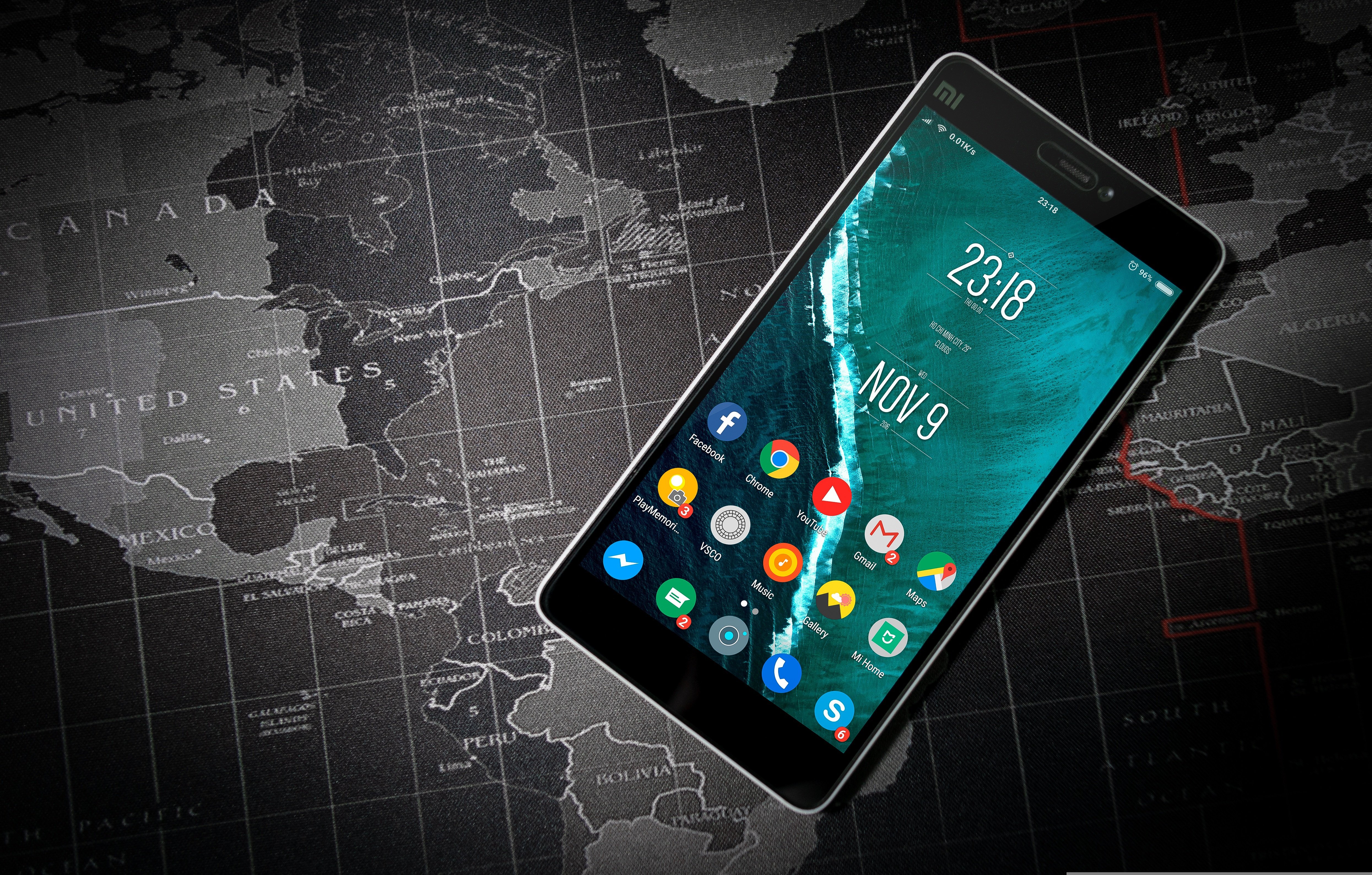
If you’ve ever landed in a new country and immediately needed Google Maps, WhatsApp, booking confirmations, or directions to your accommodation, you’ll understand how important mobile data can be when travelling.
For years, travellers had two main options: expensive roaming charges from their home provider or buying a local SIM card after arriving.
Today there’s a much easier solution: eSIMs.
We’ve used travel eSIMs on family trips around Europe and have found them to be one of the simplest ways to stay connected without the hassle of swapping physical SIM cards.
In this guide, we’ll explain how travel eSIMs work, why they’re useful for families, and which providers are worth considering in 2026.
What Is a Travel eSIM?
An eSIM is a digital SIM card built directly into many modern smartphones.
Instead of inserting a physical SIM card, you simply download a data plan to your phone before or during your trip.
Once activated, you can access mobile data in your destination country without needing to visit a phone shop or replace your existing SIM card.
Most newer iPhones, Samsung Galaxy phones, Google Pixel devices, and many other smartphones support eSIM technology.
Why We Think eSIMs Are Great for Family Travel
Travel days can already be stressful enough without worrying about finding internet access.
A travel eSIM allows you to:
- Use Google Maps as soon as you land
- Access hotel and flight bookings
- Contact family through WhatsApp
- Book transport and attractions on the go
- Use translation apps when travelling internationally
- Avoid expensive roaming charges
For families travelling with children, having reliable internet access immediately after arrival can make a huge difference.
Are Travel eSIMs Cheaper Than Roaming?
In most cases, yes.
Traditional roaming plans can quickly become expensive, especially on longer trips or when travelling across multiple countries.
Many travel eSIM providers offer data packages specifically designed for travellers, often at significantly lower prices than international roaming plans from major mobile networks.
Always compare prices for your destination, but we’ve generally found travel eSIMs to offer much better value.
Our Favourite Travel eSIM Providers for 2026
1. Airalo – Best Overall for Most Travellers
If you’re new to eSIMs, Airalo is probably the easiest place to start.
Why we like it:
- Huge global coverage
- Easy-to-use app
- Plans available for individual countries, regions, and worldwide travel
- Quick setup process
- Suitable for both short and long trips
For most family travellers, Airalo is likely the simplest and safest choice.
Best for: First-time eSIM users and family holidays.
2. Saily – Best for Security and Simplicity
Saily has grown rapidly and is backed by the team behind Nord Security.
Why we like it:
- Simple interface
- Strong focus on privacy and security
- Competitive pricing
- Excellent coverage in popular travel destinations
If online security matters to you while travelling, Saily is worth considering.
Best for: Travellers who value privacy and easy setup.
3. Yesim – Best for Heavy Data Users
Yesim offers flexible plans and is particularly attractive for travellers who use lots of data.
Why we like it:
- Unlimited data options in some destinations
- Strong international coverage
- Flexible plan choices
- Good app experience
If you stream videos, work remotely, or spend a lot of time online while travelling, Yesim may be a good fit.
Best for: Remote workers and heavy data users.
4. GigSky – Best for Cruises and Multi-Country Trips
GigSky stands out because it offers options that many competitors don’t.
Why we like it:
- Cruise data plans
- Coverage across multiple countries
- Useful for longer international trips
- Flexible travel-focused packages
If your holiday includes a cruise or several countries, GigSky deserves a look.
Best for: Cruise travellers and extended trips.
5. Drimsim – Best for Flexible Pay-As-You-Go Travel
Some travellers prefer not to commit to large prepaid data packages.
Why we like it:
- Flexible pricing structure
- Useful for occasional travellers
- Wide international coverage
Drimsim can be a good option if your data needs vary from trip to trip.
Best for: Occasional travellers and flexible travel plans.
How to Set Up a Travel eSIM
The process is usually very simple:
- Choose a provider and purchase a plan.
- Receive a QR code or installation link.
- Open your phone settings.
- Add the eSIM.
- Activate the plan when you arrive or just before departure.
- Start using mobile data.
Most providers offer detailed setup guides for both iPhone and Android devices.
Which Travel eSIM Should You Choose?
If you’re not sure where to start:
- Choose Airalo for the best all-round option.
- Choose Saily if security is important to you.
- Choose Yesim if you need lots of data.
- Choose GigSky for cruises or multi-country travel.
- Choose Drimsim if you prefer flexible pay-as-you-go pricing.
The good news is that all of these providers are far easier than dealing with traditional roaming charges or hunting for a local SIM card after landing.
Final Thoughts
Travel eSIMs have quickly become one of our favourite travel tools.
Being able to step off a plane and instantly access maps, bookings, transport apps, and family messages removes a surprising amount of travel stress.
If you’re planning a family trip in 2026, setting up an eSIM before departure is one of the simplest ways to stay connected while keeping costs under control.
