Quick Take
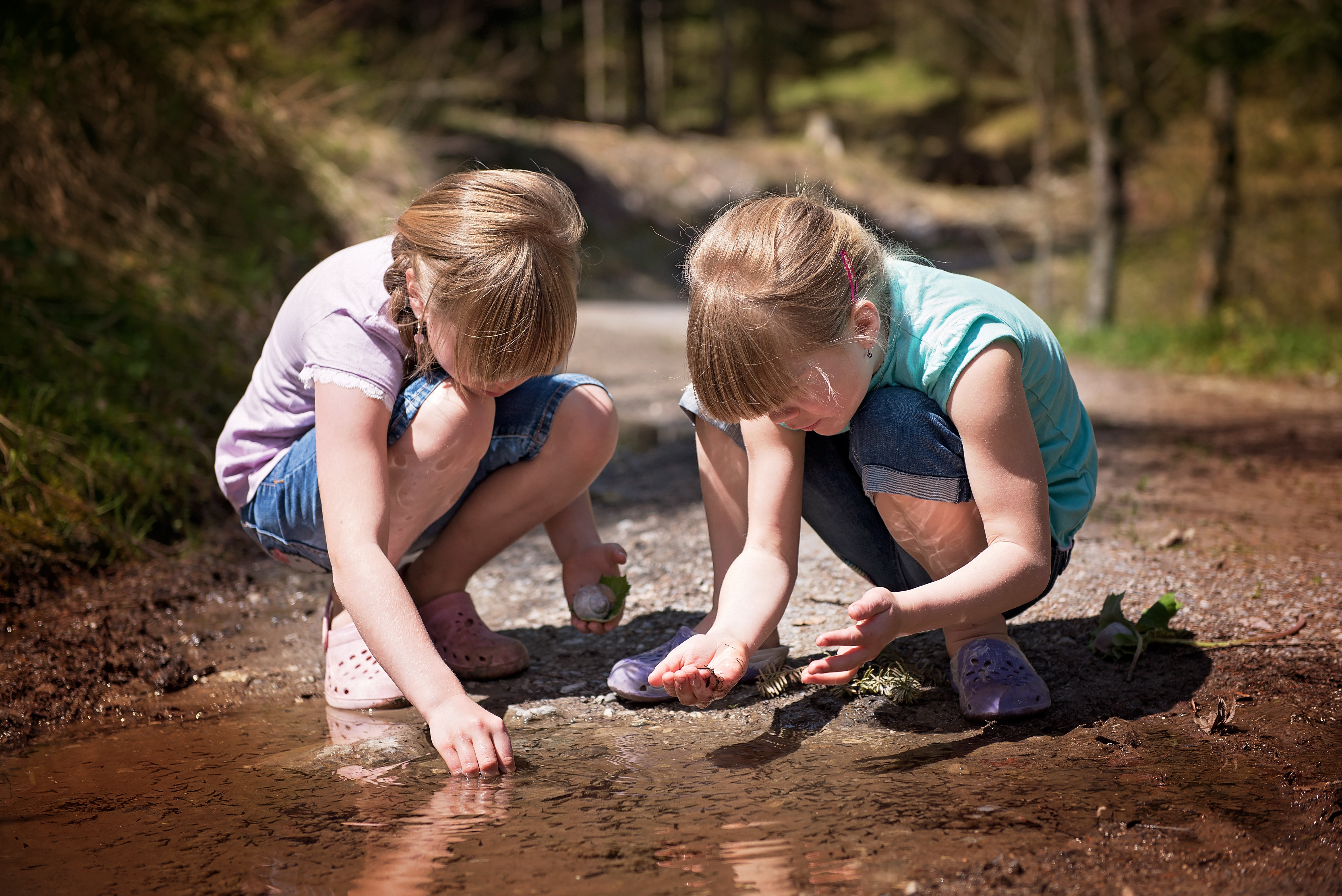
Scavenger hunts are one of the easiest ways to turn an ordinary outing into an adventure. They require very little preparation, cost almost nothing and work almost anywhere.
Whether you’re visiting a park, exploring a beach or simply walking around your neighbourhood, a scavenger hunt gives children a mission and encourages them to notice things they might otherwise miss.
Why Scavenger Hunts Work So Well
Children naturally enjoy searching for things.
Adding a list of items to find creates a sense of purpose and excitement, even during a simple walk.
We’ve found that scavenger hunts often transform an ordinary outing into something much more memorable.
How to Run a Scavenger Hunt
Keep things simple.
Create a list of items to find and either print it, write it down or keep it on your phone.
Children can tick items off as they find them.
You can work as a team or make it a friendly competition.
Nature Scavenger Hunt Ideas
Find:
- A feather
- A pine cone
- A smooth rock
- A yellow flower
- Something red
- Something smaller than your thumb
- A butterfly
- A bird
- A stick shaped like a letter
- A leaf bigger than your hand
Park Scavenger Hunt Ideas
Find:
- A swing
- A slide
- A dog
- A bicycle
- A bench
- A bird
- A tree with rough bark
- Someone wearing a hat
- A flower
- A cloud shaped like something interesting
Beach Scavenger Hunt Ideas
Find:
- A shell
- A smooth stone
- Driftwood
- A bird
- A footprint
- A wave larger than the last one
- Seaweed
- A heart-shaped rock
- Something blue
- Something unusual
Neighbourhood Scavenger Hunt Ideas
Find:
- A red car
- A mailbox
- A garden gnome
- A bicycle
- A cat
- Solar panels
- A flowering tree
- A number seven
- A bird’s nest
- A letterbox with flowers nearby
Backyard Scavenger Hunt Ideas
Find:
- Three different leaves
- A bug
- A flower
- A round object
- Something yellow
- Something soft
- Something taller than you
- A stick
- A shadow
- Something you have never noticed before
Make It More Challenging
For older children, add extra challenges:
- Find something that starts with every letter of your name.
- Find five different shades of green.
- Take a photo of something unusual.
- Find something that makes a particular sound.
- Find something shaped like a circle.
What to Bring
Most scavenger hunts require very little equipment:
- Water bottle
- Hat
- Comfortable shoes
- Notebook or printed list
- Camera or phone (optional)
Common Mistakes
- Making the list too long for younger children.
- Turning it into a serious competition.
- Choosing items that are difficult to find.
- Rushing through the activity.
The goal is exploration and fun.
Our Experience
Some of our favourite family walks have become much more enjoyable after turning them into scavenger hunts.
Children often notice things that adults completely overlook, and it’s always interesting to see what catches their attention.
A simple list of items can transform a regular outing into a genuine family adventure.
Key Takeaways
- Scavenger hunts work almost anywhere.
- They cost little or nothing.
- Children stay engaged for longer.
- They encourage observation and curiosity.
- They’re easy to adapt for different ages.
Frequently Asked Questions
What age are scavenger hunts suitable for?
Most scavenger hunts can be adapted for children aged three and up.
Do I need to print a scavenger hunt list?
No. You can write one by hand or simply keep the list on your phone.
Where is the best place for a scavenger hunt?
Parks, forests, beaches, neighbourhoods and backyards all work well.
Final Thoughts
Family adventures don’t always need a destination.
Sometimes all you need is a simple challenge and a willingness to explore.
The next time you’re heading outside, try taking a scavenger hunt list with you. You might be surprised how much more interesting a familiar place becomes.
